Gulf Coast
Florida’s Gulf Coast
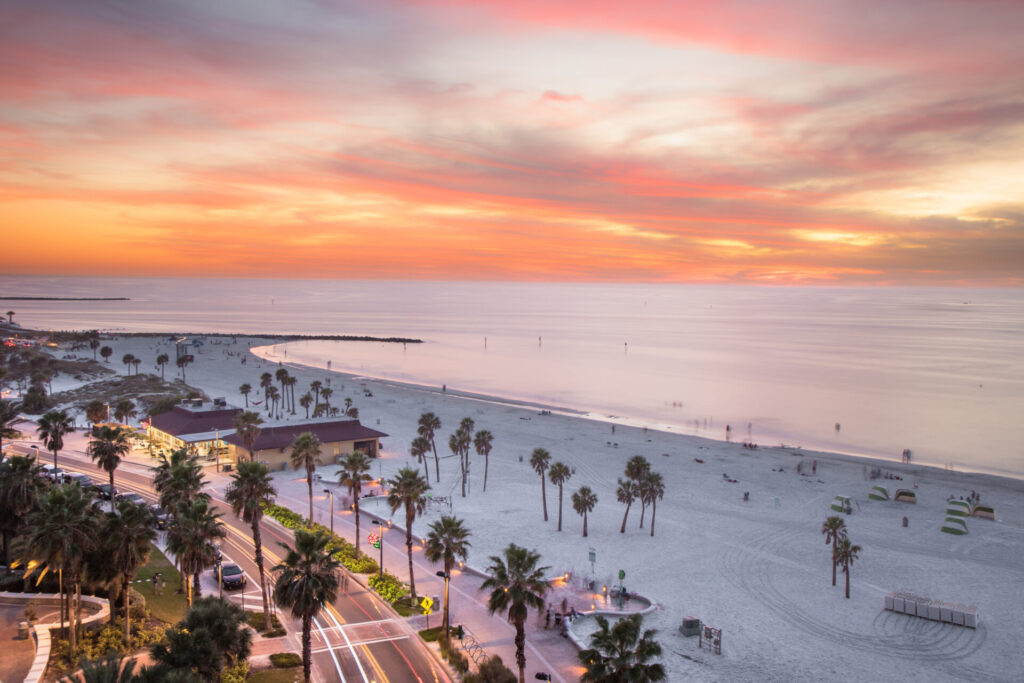
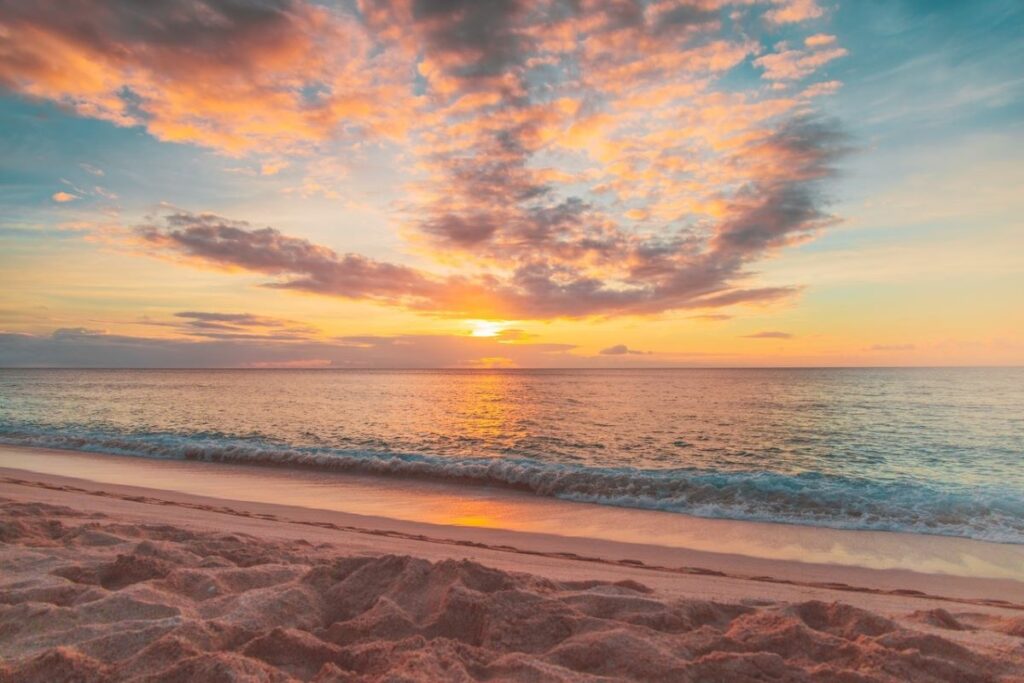
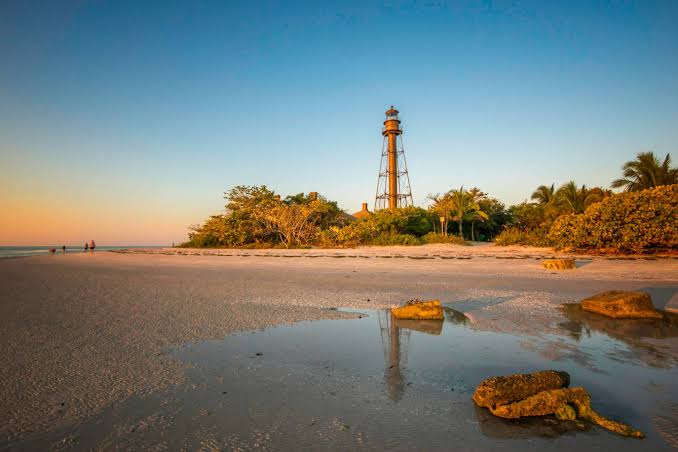
Florida’s Gulf Coast is the side of Florida that makes you want to slow down, throw on your flip-flops and stay awhile. Stretching from the Panhandle all the way south toward the Florida Keys, the coast changes dramatically along the way from the emerald water and white sand of Northwest Florida to the beach towns of Clearwater and St. Pete, the barrier islands around Anna Maria and Sarasota, and the tropical feel of Southwest Florida. The Gulf is known for generally calmer water, incredible sunsets, shelling, wildlife, fishing and waterfront towns where life seems to move just a little slower.
Whether you’re looking for a quiet beach weekend, a walkable coastal town, amazing seafood, kayaking through mangroves, searching for shells or simply finding the perfect spot to watch the sun disappear into the water, there’s a Gulf Coast destination for you.
History
Florida’s Gulf Coast has a story that goes back thousands of years long before beach resorts and waterfront restaurants arrived. Archaeological evidence shows people have lived along Florida’s Gulf Coast for thousands of years, and Indigenous communities developed cultures closely connected to the region’s estuaries and abundant marine resources. In Southwest Florida, the powerful Calusa established communities throughout the coastal region well before Europeans arrived.
Spanish explorers reached Southwest Florida in the early 1500s, including Juan Ponce de León in 1513. Farther north, Spain attempted to establish a settlement on Pensacola Bay in 1559, although a hurricane devastated the expedition and the settlement was abandoned a few years later. Over the centuries, different parts of Florida came under Spanish and British control before eventually becoming part of the United States.
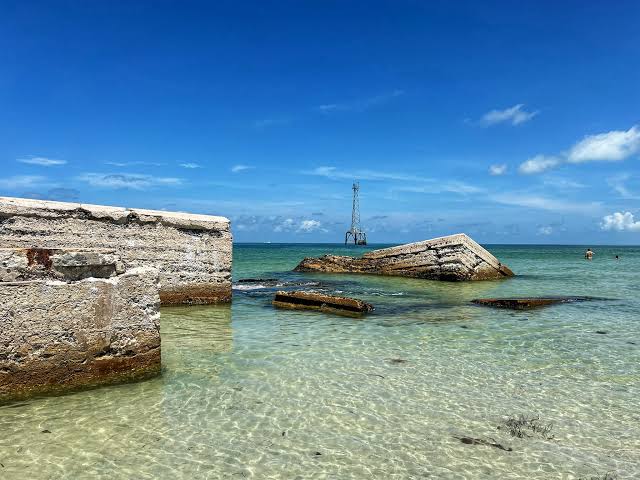
Fishing, shipping, sponge diving, agriculture and tourism would all help shape Gulf Coast communities. Today, you can still find pieces of that history mixed into modern Florida from historic fishing villages and old downtowns to working waterfronts and preserved archaeological sites.
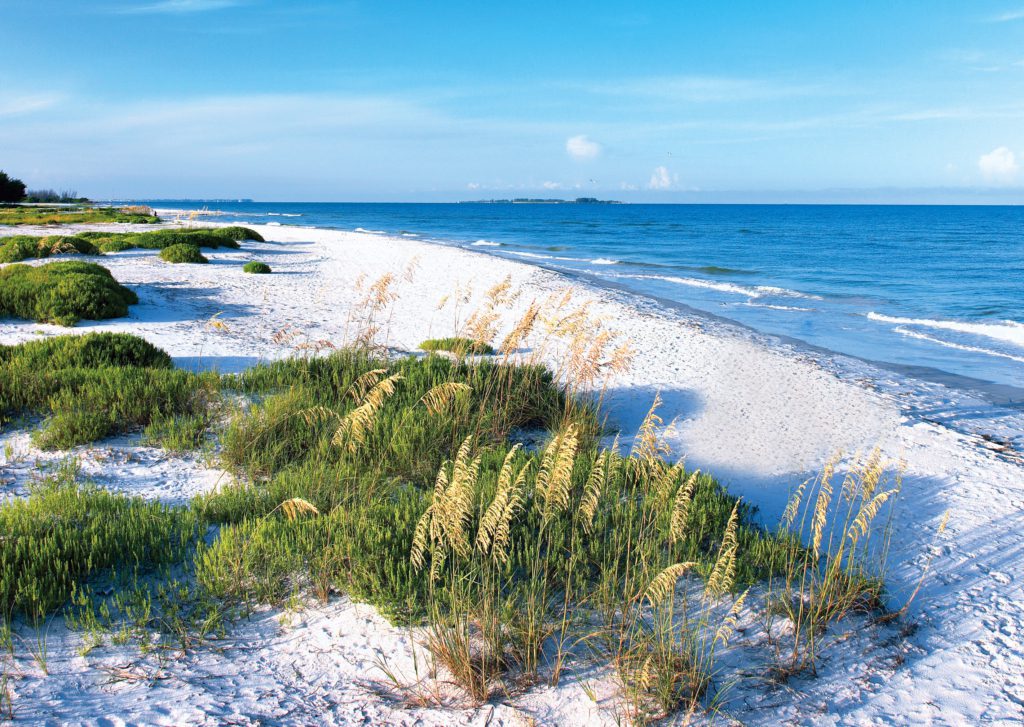
Best time to visit
There’s really no bad time to visit, but spring is one of my favorite times for a Gulf Coast trip. March through May generally brings warm beach weather with less of the intense humidity you’ll experience during summer. Spring is also popular, though, especially around spring-break destinations.
Fall can be another great option if you’re looking for warm Gulf water and fewer crowds. October and November can be beautiful, but remember that Atlantic hurricane season officially runs June through November, so keep an eye on the forecast and consider flexible travel plans.
Winter is perfect for escaping colder weather, particularly in Central and Southwest Florida. Expect comfortable temperatures but also more seasonal visitors and potentially higher prices in popular southern destinations.
Summer is HOT, humid and rainy but it’s still Florida beach season. Gulf water temperatures can climb well into the 80s, and afternoon thunderstorms are common. If you’re visiting during summer, I like planning outdoor activities for the morning, taking a break during the hottest part of the afternoon and heading back out for sunset.
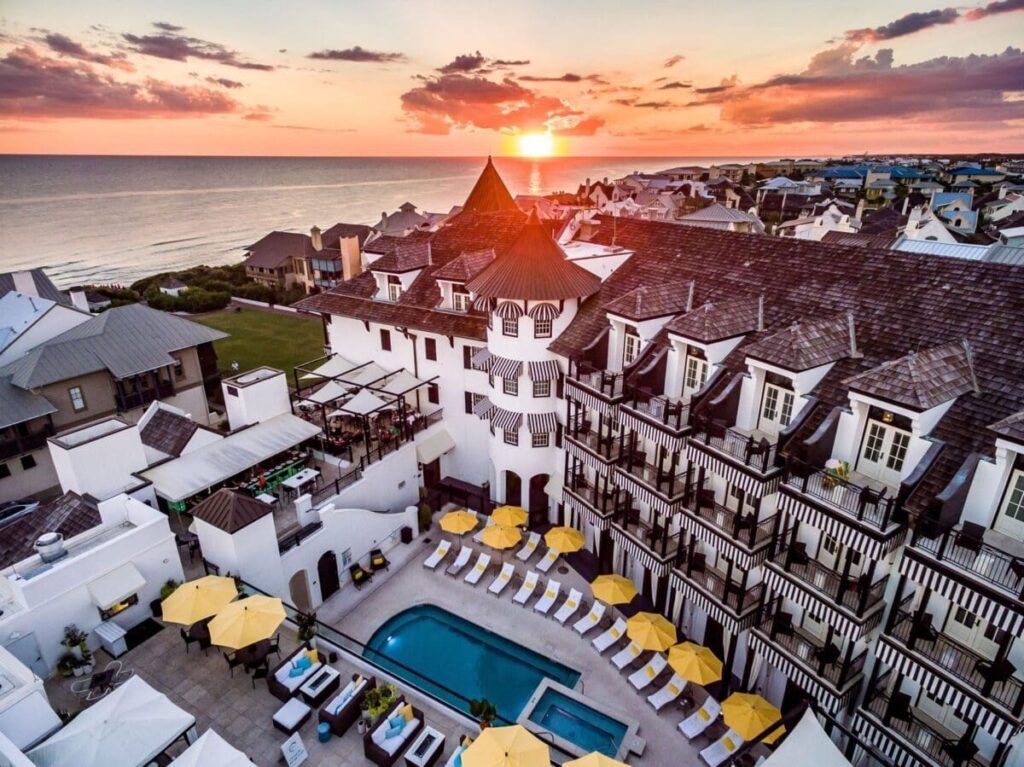
Northwest Florida & the Emerald Coast includes places like Pensacola, Destin, Fort Walton Beach, Panama City Beach and the communities along 30A. This is where you’ll find some of Florida’s whitest sand paired with clear, emerald-colored water.
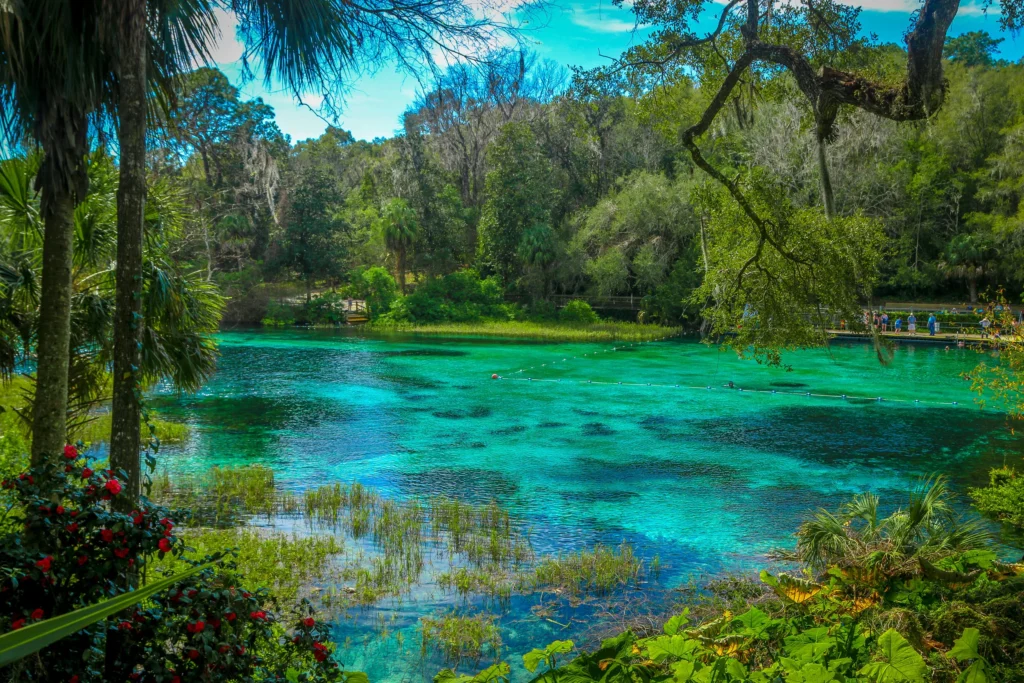
Florida’s Nature Coast is the quieter, wilder side of the Gulf. Think springs, rivers, manatees, fishing communities and Old Florida scenery rather than high-rise resorts.
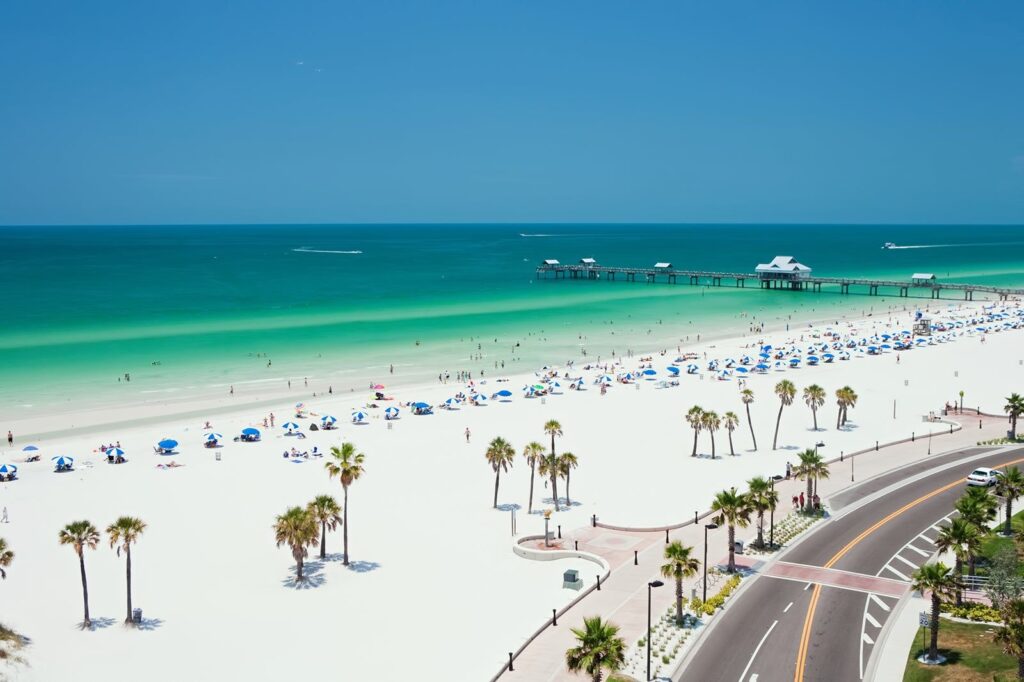
Tampa Bay & the Central Gulf Coast includes some of my favorite places to explore—Clearwater, Dunedin, Safety Harbor, St. Pete, Tarpon Springs and the surrounding barrier islands. You get beautiful beaches but also great restaurants, breweries, local shops, arts and culture, and plenty to do away from the sand. Central West Florida as combining the cities of Tampa, Clearwater and St. Petersburg with beaches, wildlife, springs and rivers.
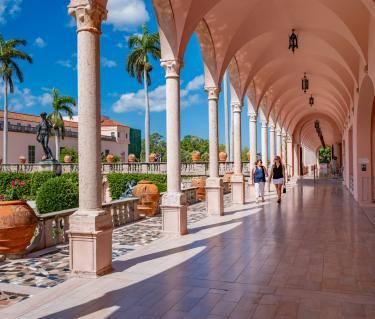
Sarasota & the Cultural Coast brings you into Bradenton, Anna Maria Island, Longboat Key, Sarasota, Siesta Key, Venice and surrounding communities. It’s one of my favorite stretches for combining a beach trip with cute downtowns, local restaurants, shopping and day trips. The historic Tamiami Trail connects many of these communities along Florida’s west coast.
Southwest Florida includes Fort Myers, Sanibel and Captiva, Bonita Springs, Naples and Marco Island. Things start feeling increasingly tropical as you travel south, and this area is especially well known for beaches, islands, wildlife and shelling.
And that’s why saying you’ve “been to Florida’s Gulf Coast” doesn’t really tell the whole story. A weekend in Destin feels completely different from one in St. Pete, Anna Maria Island or Naples.